
1st Draught Cover
In the next series of posts I will walk through an entire creative cycle of a digital design and writing project, involving a second book. This will be a dual use, push-me-pull-me sort of thing, so it must work in both analogue form, as a book, but also over a digital platform as a learning tool for people who work in the creative industries but are still technically far from being computer scientists.
Creative and Design Spec’s
1. The book must work alone as a good read recounting memorable experiences, processes and challenges a travelling freelancer working overseas in the U.S. and Near East might encounter.
2. Read in another way, through another system (digital), the book must transform into a multi-platform reference manual or course, which offers a core set of creative skills useful to operate in digital communications, as a creative, agency or film worker in the modern world.
3. That, as a piece of design, the project be unique, useful, entertaining and aesthetically pleasing.

The next steps are to research and ideate the concept. Who’s the competition? Has anyone produced something similar? Also, if the project comes from a client, to research the brand, tone and style of the client’s existing media.
Because I am a visual thinker first, after the specification and structure ideation, I tend to search for inspiration for the visual design of the project, to get an idea of how it will look and feel.
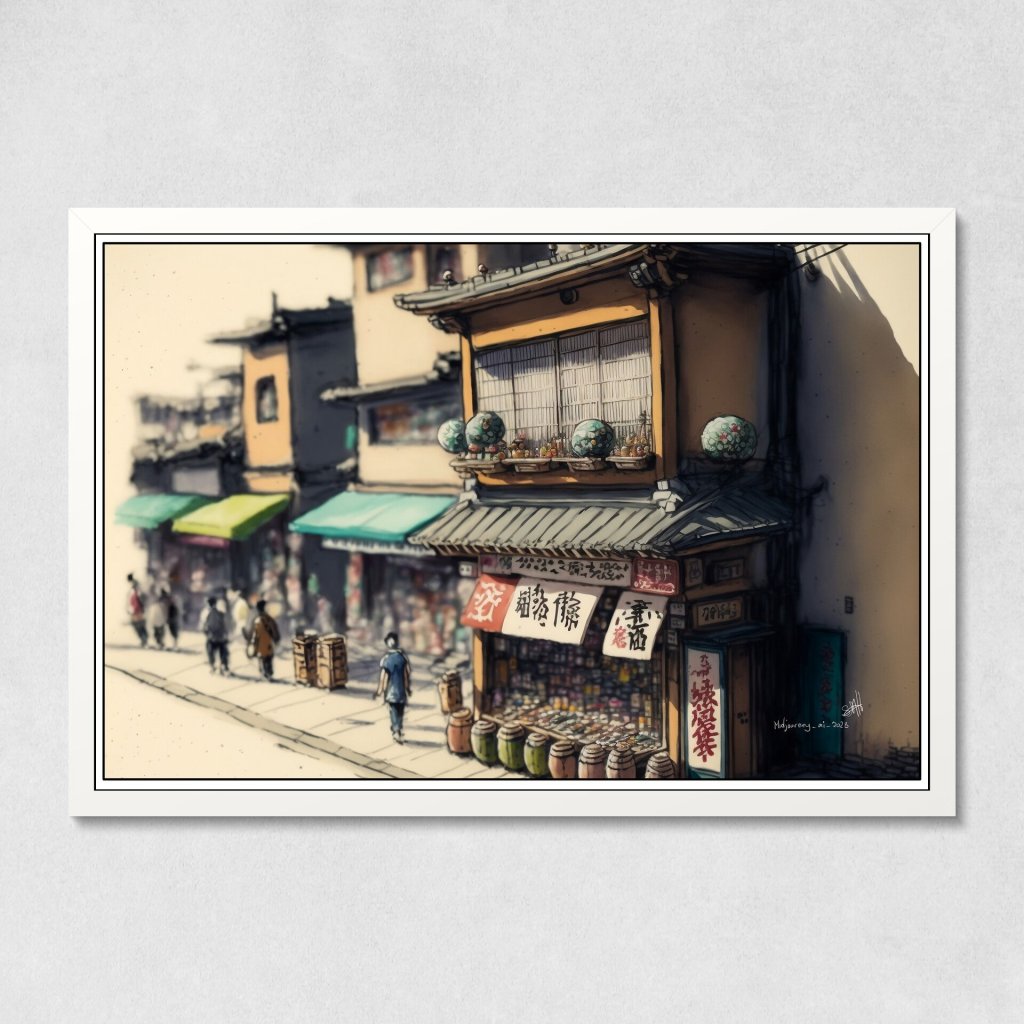
Instead of collecting thousands of swabs and magazine clippings, a modern way of quickly generating a lot of ideas and different looks could be using Midjourney AI, which first ideation would work for artists more generally, as well as for digital designers.
However, apart from the legal issues, be aware that the process the AI takes to reach the end result is to skip over early developmental steps and iterations of designs, so the end result may in fact seem a little too perfectly polished (see opposite image).

Architizer.com is another phenomenal source for image processing techniques and for subtle architectural looks and image ideation.
Our own preferred look and style is subjective, it tends to be different to everyone else’s. Maybe because I did technical drawing as a youngster, I lean toward technical sketching and architectural renderings of scenes, especially for reality reconstruction purposes, using SketchUp, around which you can animate. However, aesthetically they can be dry, so for this project I am definitely looking for something to spice up the images, bring them to life and add a little texture.
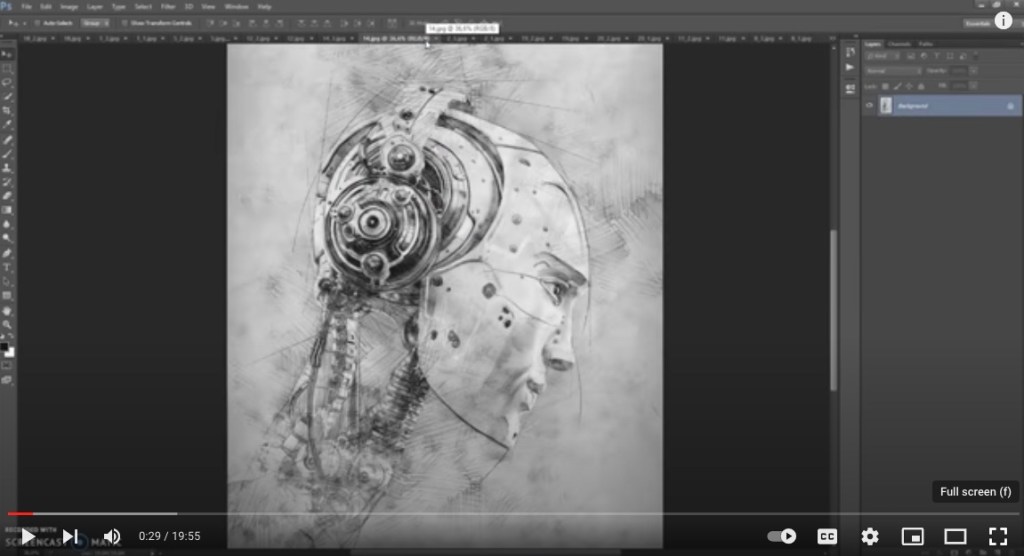
An alternative, below, which I think is the best solution for the project, will allow me to use any old 3D image, put through a new autosketch filtering process in Photoshop. The Photoshop sketch filters, the algorithm for which up until this one I’ve always found to be less than completely convincing, finally seems to be working.


 Charley Weber Portfolio