This is the third of three posts on ways you can use AI creatively in film. This is about setting radically different image textures, or overall look for your film project.

For the last few years in L.A. I worked primarily as a colourist and online editor, prepping films heading for Cannes Film Festival. These included: Green Street Hooligans, Devils Rejects and a Kevin Costner film, The Upside of Anger. At the time I was using Avid Symphony for grading and Avid composer for cutting film.
Every artist in film and music needs to develop their own tools and tricks of the trade – their creative palette – which is really discovered through personal exploration. I won’t offer up all of mine, as I’m not yet retired. But if you are willing to explore a bit, these are the kind of results you can achieve.
If you find it all a bit much, I occasionally produce and edit and offer production of copyright aware documentary films as well as training in mixed media, AI and film for production companies and communication creatives.
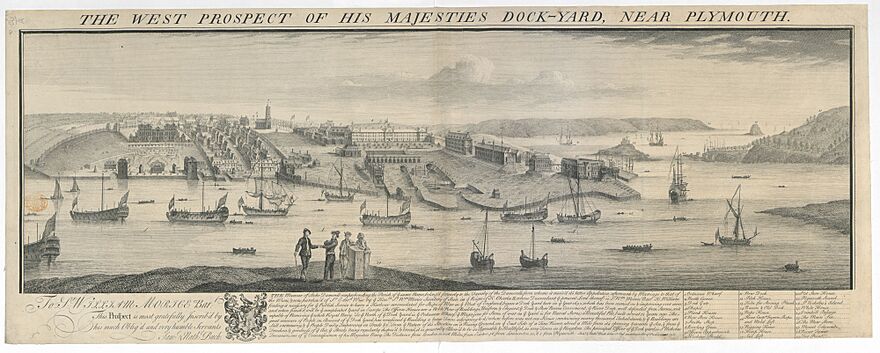
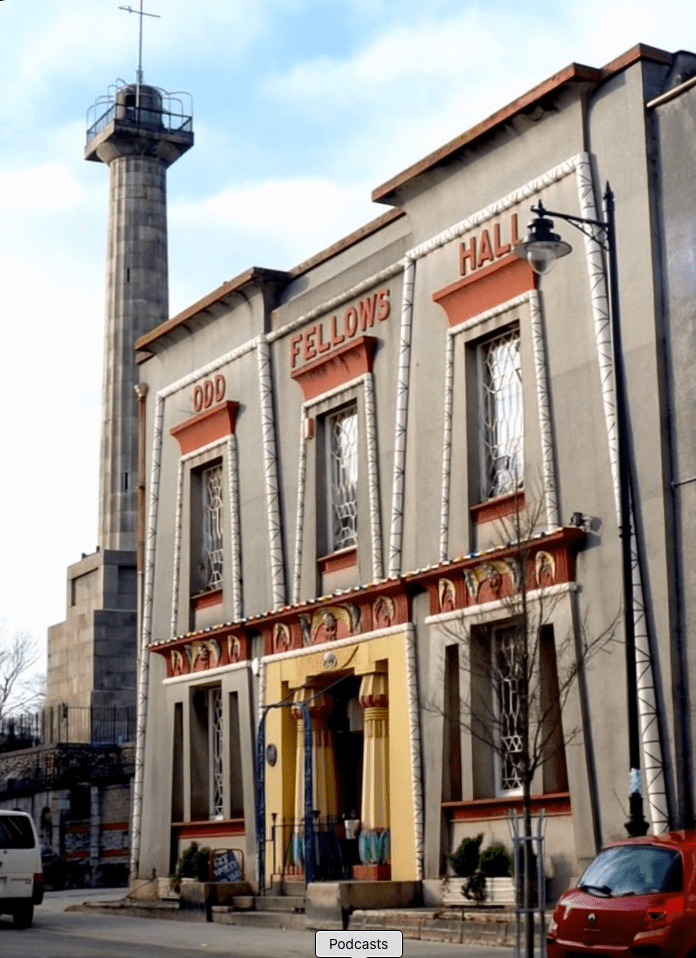
The technique I use is to set the style look in your AI platform from a photo, piece of art or painting, in this case I used a couple of old etchings. You will also then have to set specific image (architecture) references using current photos of the building or urban setting you want to depict in your film or ‘time travel’ back to.

With a bit of experimentation, you should be able to come up with a professionally acceptable and unique approximation of animated period architectural motion and etching sequences for your historical chapter or film.
Below is a final edited sequence using this technique.
 Charley Weber Portfolio
Leave a Reply