
The work, covering two weeks per module, includes home study and online seminar meetings to review progress as well as introduce new study area.
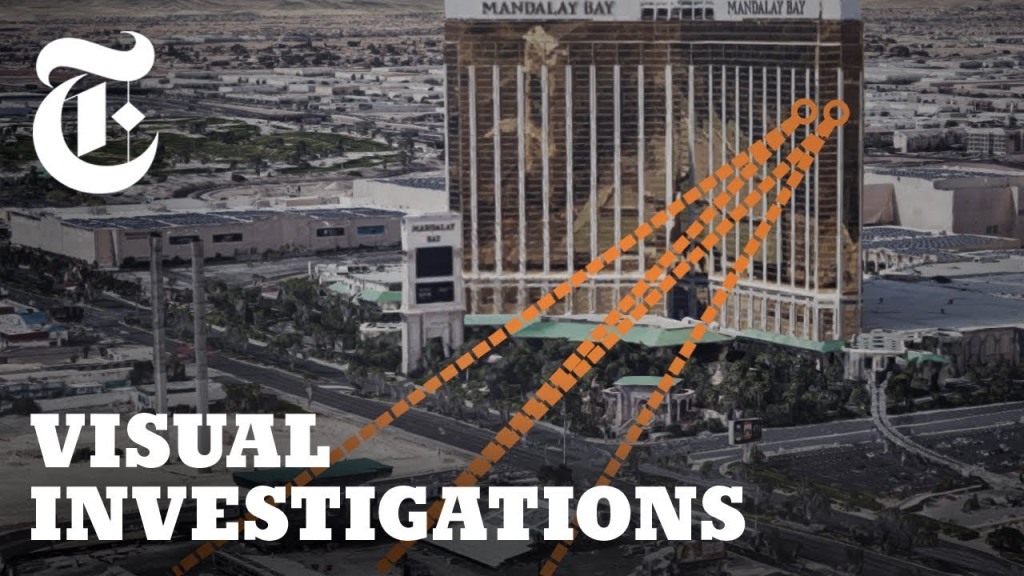
The areas of learning here are from studying examples of news and open source pieces from agencies like The New York Times Visual Investigations department, Forensic Architecture and the Bellingcat agency.
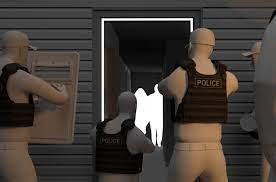
Also examined are theory and practice, which crosses into actual legal cases, studying standard forensic reconstruction methods used to present cases in the courts. Much of their practice is focused on the need to generate informational graphics which are simple and clear, without being overly detailed, like fully rendered and animated characters in a 3D game. The practitioners argue that adding too much detail, or creating media which is too slick, can be detrimental to the case and seen to be seeking to influence the audience through trickery of technology, trying to create reality through face swapping, mapping or body language. Ideal are industrially simple representations of people and interactions developing leading to a key event where an accident, crime or conflict occurred.
The main technical aim – a large part of this module – is to help the learner become familiar enough with the software platforms needed to be able to go on and produce their own more technical forms of digital and analytical media, including commercial reports, documentaries or journalism.
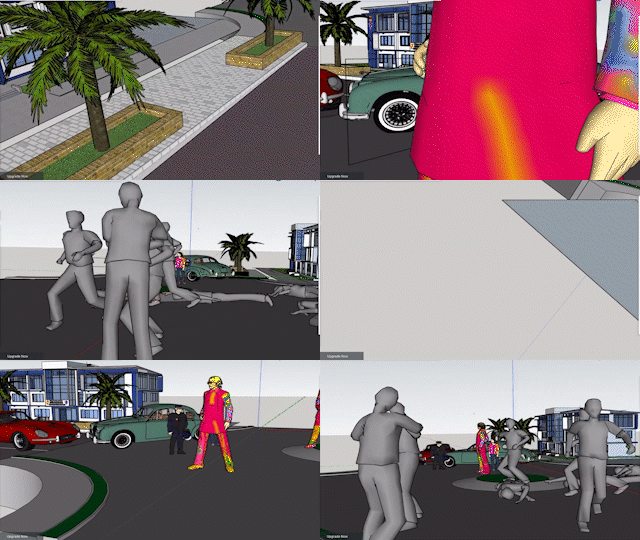
1: SketchUp, a 3D modelling platform used for recreating dramatic scenes for reality, documentary and reconstructions of crime and accident sequences for legal investigations, for the courts or in contested cases.

2. Using Google Earth to ‘program’ and extract composited real world video to set the scene of your story locations and investigations.


 Charley Weber Portfolio